Spain
Barcelona Travel Guide
Gaudí's modernist playground on the Mediterranean — Catalan pride, beach access, tapas culture, and one of Europe's strongest food scenes.
✨ Plan Your Barcelona Trip with AIQuick Facts
Top Things to Do
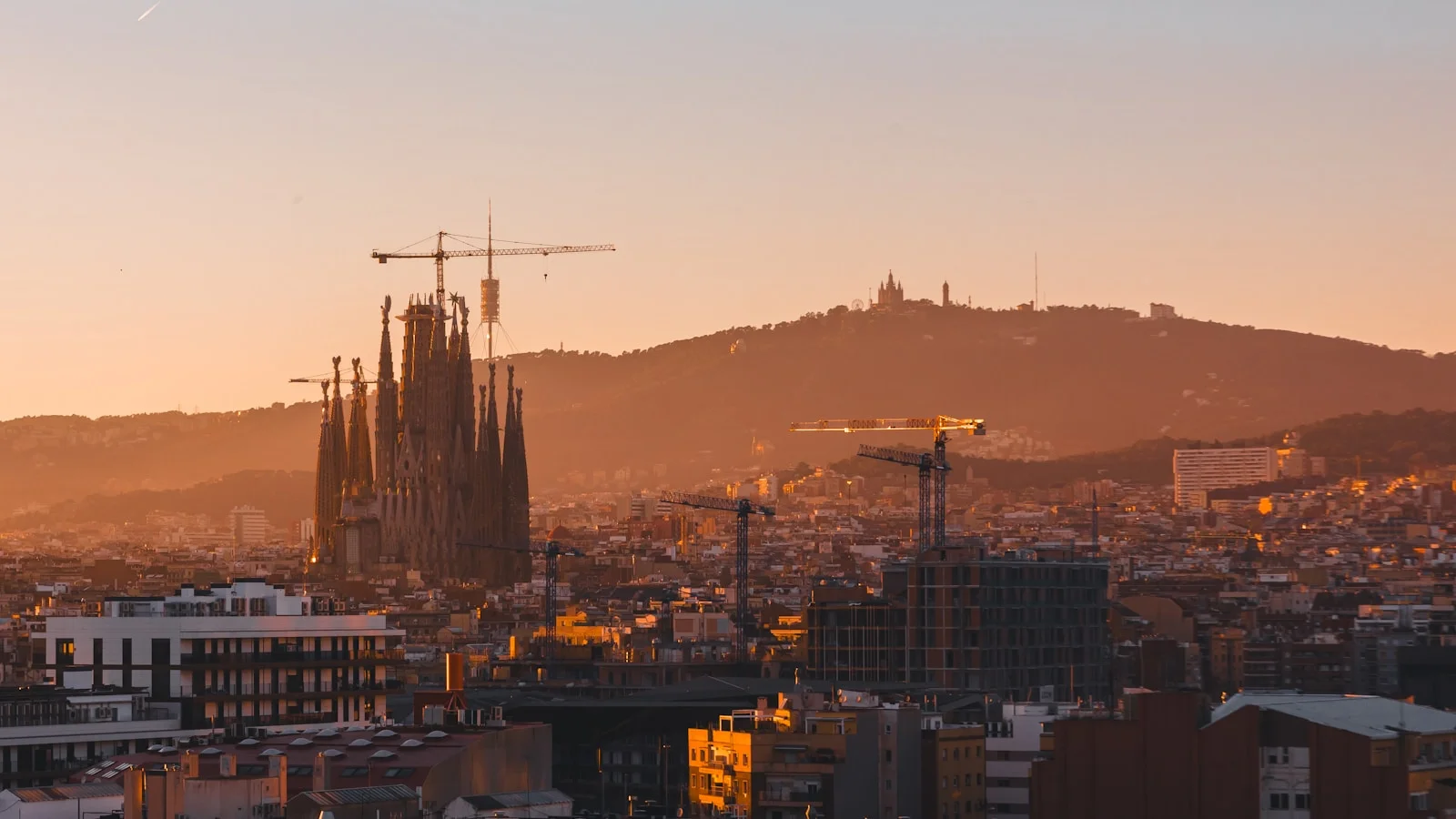
Sagrada Família
Gaudí's still-unfinished cathedral — 143 years of construction, now slated to top out in 2026. Book the tower access for the best views.
Park Güell
Gaudí's hillside park of mosaic salamanders, undulating benches, and Hansel-and-Gretel gatehouses. Timed entry only.
Casa Batlló
Gaudí's most playful private commission — bone-like balconies, scaled roof, immersive AR tour. Less queue than Casa Milà.
Gothic Quarter
Labyrinth of medieval alleys around the cathedral — Roman walls, Plaça Reial palms, hidden courtyards. Free to wander.
Picasso Museum
4,000+ works from Picasso's early years in Barcelona, housed across five Gothic palaces in El Born.
La Boqueria Market
The most famous food market on La Rambla — 200+ stalls of jamón, seafood, fruit smoothies. Go early to avoid tour groups.
Why visit Barcelona
Barcelona is the most architecturally distinctive city in the Mediterranean. Gaudí alone left seven UNESCO-listed works within the city limits — and his contemporaries (Domènech i Montaner, Puig i Cadafalch) built another half-century of modernisme around them. Walk any block in the Eixample and you’ll pass three art-nouveau facades that would be the star monument of a smaller city.
Beyond the architecture, Barcelona has the rare combination of a beach, a mountain (Tibidabo), a serious food scene, and a Mediterranean climate that runs 9 months of the year. The trade-off is overtourism — 2024 saw 26 million visitors in a city of 1.6 million, and the city government has been openly restricting cruise traffic, short-term rentals, and tour-group sizes since 2023.
Best time to visit
- April–May — Mild (18-23°C), gardens in bloom, sea still cool but swimmable on warm days. Easter week and Sant Jordi (23 April, books-and- roses day) bring lively street culture.
- June — Pre-peak warmth (24-28°C), sea opens up properly, longer days. The best month for combining beach and city.
- July–August — Hot (28-32°C+), peak crowds, peak prices. Locals decamp; many neighborhood restaurants close for vacaciones.
- September–October — Sea still warm (23°C), crowds thin, La Mercè festival (third week of September) is the city’s biggest party.
- December–February — Mild winter (10-15°C), low crowds, off-season museum prices. The beach is dead but the Christmas markets at the cathedral are charming.
Getting around
Barcelona’s TMB network (metro, bus, tram) is fast, clean, and easy to navigate even with no Spanish.
- Single ride: €2.65
- T-Casual card: €12.55 for 10 rides (transferable across people on consecutive trips) — the obvious choice if you’ll do 5+ rides total.
- Hola BCN card: €18.10 (48h) / €26.50 (72h) for unlimited rides including airport — pays off if you’ll use transit 5+ times.
The metro stops running 24:00 Sun-Thu (02:00 Fri, all night Sat). For shorter hops within the Eixample, walking is often as fast and lets you catch unexpected modernisme facades.
Suggested 4-day itinerary
- Day 1 — Gaudí morning, Gothic afternoon: Sagrada Família (book a tower slot, allow 2-3h total) → lunch in the Eixample → walk down Passeig de Gràcia past Casa Batlló and Casa Milà → tapas dinner in El Born.
- Day 2 — Park Güell and the hills: Park Güell at opening time → bus down to Gràcia for lunch → afternoon in Tibidabo (funicular up) for the city panorama and the early-1900s amusement park.
- Day 3 — Gothic Quarter and beach: Cathedral and Roman walls → Picasso Museum in El Born → lunch at La Boqueria → Barceloneta beach walk → seafood dinner at the harbor.
- Day 4 — Montjuïc: cable car up Montjuïc → Joan Miró Foundation → Olympic Stadium grounds → Magic Fountain show at sunset (Thu-Sat in high season).
Where to eat
Catalan cuisine is its own tradition — closer to Italian and French than to the rest of Spain. Don’t fall for “paella” on La Rambla; that’s Andalusian and the tourist versions are universally bad here.
- Tapas / pintxos — Quimet & Quimet (legendary montaditos), Cervecería Catalana, Bar Cañete, Bodega 1900.
- Modern Catalan — Disfrutar (consistently top-5 in the world’s-best lists), Suculent, Hofmann, Bar Mut.
- Seafood — Can Solé (centenary), Kaiku at Barceloneta, La Mar Salada.
- Markets — La Boqueria (early morning before the crowds), Mercat de Sant Antoni (Sundays for the antique-book market), Mercat de la Concepció for a less-touristy take.
Want a personalized itinerary based on your interests and budget? Try the VoyAI Trip Planner.
Frequently Asked Questions
How many days do I need in Barcelona?
Four days fit the major Gaudí sites, the Gothic Quarter, one beach afternoon, and a half-day in Montjuïc. Five days lets you add a Sitges or Montserrat day trip.
Do I need to book attractions in advance?
Yes for Sagrada Família (book the next available tower slot 1-2 weeks ahead) and Park Güell (timed entry, often sells out same-day in summer). Casa Batlló is more flexible.
Is Barcelona safe? I've heard about pickpocketing.
The city is safe but pickpocketing on La Rambla, the metro, and around the Sagrada Família is genuinely heavy. Keep your phone in a zipped front pocket, never on a café table. Violent crime is rare.
When is the best time to go to the beach?
Late May through early October. June and September are best — warm sea, fewer crowds than July-August. Barceloneta is convenient but packed; Bogatell and Nova Icària are slightly nicer and a 15-min metro ride away.
Should I learn Spanish or Catalan?
Spanish (Castellano) is universally understood; English works in tourist spots. A few Catalan phrases (bon dia, gràcies) go a long way — Barcelona is the capital of Catalonia, and locals appreciate the gesture.
Ready to plan your trip?
Get a personalized day-by-day itinerary in seconds.
✨ Start with AI Trip Planner